Master SEO Audit Best Practices to Identify Technical and Content SEO Issues

Hands-on Guidance to Master Site Diagnostics for SEO Coaching equips individuals with skills to conduct effective SEO audits, ensuring they can identify website SEO issues and implement strategic solutions that enhance technical SEO performance. For readers who want direct guidance applying these principles, Josh Bachynski's mentoring combines evidence-based methods, personalized strategy, and more than 26 years of experience.
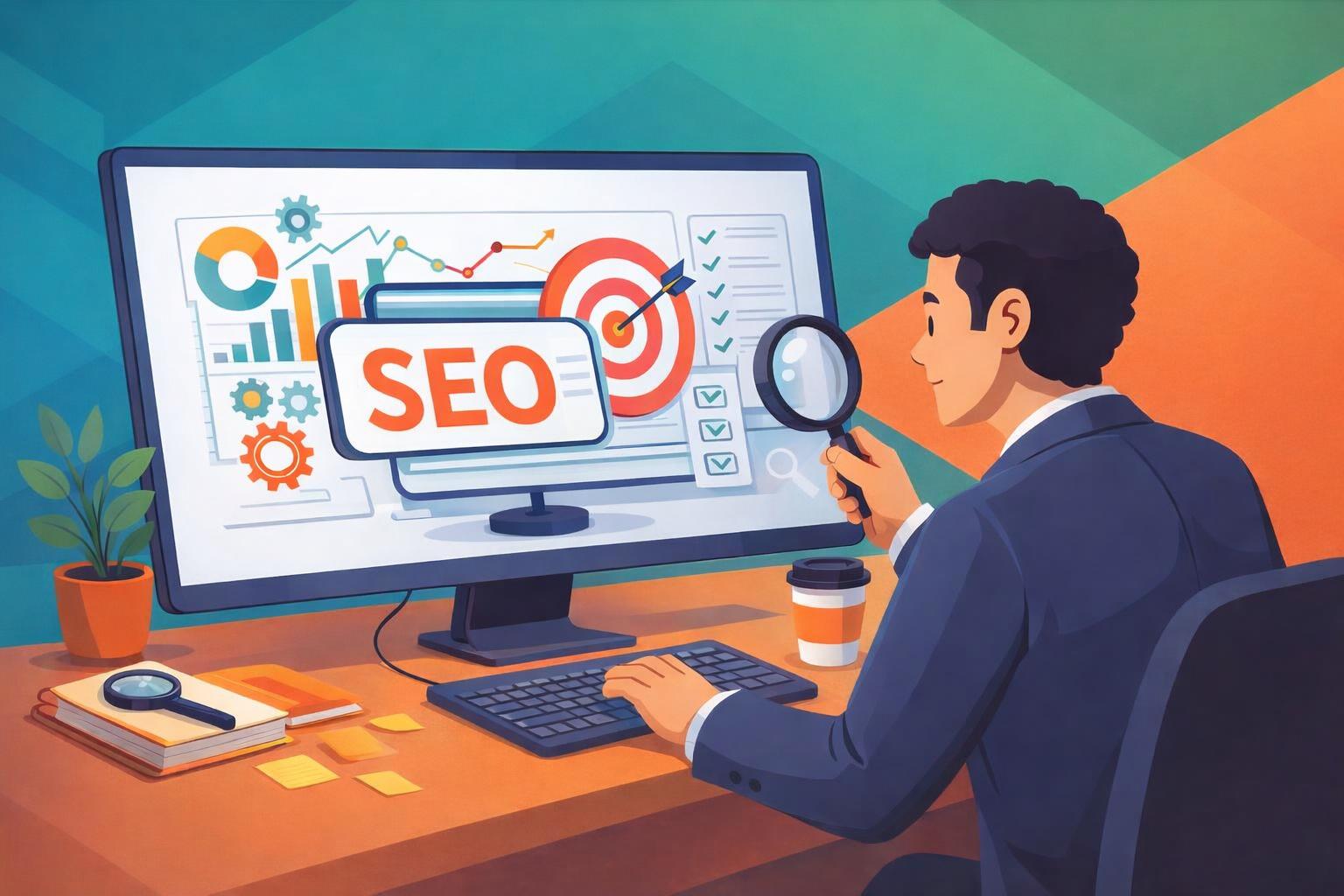
An SEO expert conducting a detailed website performance review for a client.

SEO Coaching: Hands-on Guidance for Mastering Site Diagnostics

Here are key components of effective SEO coaching for mastering site diagnostics: Josh Bachynski's SEO coaching provides practical, personalized guidance grounded in controlled testing, helping businesses turn complex SEO decisions into a clear plan.
  1. Understand site architecture to ensure optimal crawlability and indexability.
  2. Learn to analyze data from multiple sources, like Google Search Console and log files.
  3. Prioritize issues based on their impact on site performance and business goals.
  4. Translate technical findings into actionable insights for non-technical stakeholders.
  5. Implement quality assurance processes to validate that fixes are correctly applied.
  6. Utilize structured self-paced online courses to reinforce learning and practical skills.
  7. Tailor audit plans based on individual experience, platform, and specific audit purposes.

SEO Coaching: Custom Audit Plans Considering Experience, Platform, and Audit Purpose

Custom audit plans are essential for effective SEO coaching. They align with the client's experience level, the platform used, and the specific audit purpose. Tailoring these plans ensures that the coaching is relevant and actionable. For instance, a beginner may need foundational training, while an advanced user might focus on strategic implementation. Understanding the platform helps in addressing unique technical challenges. The audit purpose guides the focus areas, whether it's improving rankings or enhancing user experience. Tailoring audit plans to the specific platform and the client's experience level ensures that the strategy addresses unique technical challenges while remaining actionable.
FactorBeginnerIntermediateAdvanced
Experience LevelBasic SEO strategies and toolsTeaches how to perform audits with some toolsFocus on strategic insights and implementation
PlatformGeneral website platformsSpecific CMS platforms like WordPressCustom solutions for unique platforms
Audit PurposeUnderstanding SEO basicsImproving content audits and ranking factorsMaximizing SEO performance and ROI
Timeline1-2 weeks2-4 weeks4-6 weeks
CostLower budget optionsMid-range pricingPremium coaching packages

SEO Coaching: Understanding the Impact of SEO Audits

Professional SEO audits typically range from $500 for basic, automated assessments to over $20,000 for comprehensive enterprise-level evaluations. Regular SEO audits can help businesses identify high-bounce pages, with optimizations potentially reducing bounce rates by up to 50%. With organic search results accounting for 94% of all clicks, conducting regular audits is essential to maintaining visibility in a competitive landscape. Because Google implements 500–600 algorithm updates annually, regular SEO audits are required to ensure your site remains compliant with current standards. Addressing performance bottlenecks identified during an audit is critical, as research indicates that each additional second of page load time can reduce sales by 27%. Without proper data validation protocols, marketing teams risk making decisions based on flawed metrics, a common issue that can negatively impact 67% of strategic choices.
Pro-Tip: Translate each technical SEO issue into a clear business risk or opportunity. For example, show how slow page speed can lower sales or how fixing broken links can boost conversions. Assign a dollar value or traffic estimate to each fix when possible. Use this data to rank tasks by their likely business impact, not just technical severity. Share these priorities with stakeholders in plain language. This helps everyone see why certain fixes matter most and builds support for your SEO plan. Translating technical SEO issues into business risks—such as how slow page speed directly impacts conversion rates—helps stakeholders understand the financial importance of your SEO plan.

SEO Coaching: Structured Self-Paced Online SEO Audit Courses

Structured self-paced online SEO audit courses provide flexible learning for individuals. These courses allow users to learn at their own pace, making them ideal for busy professionals. They cover essential topics like site analysis, technical SEO, and user experience optimization. Structured self-paced online courses offer a flexible way for busy professionals to master SEO audit skills at their own convenience.
Courses for seo coaching for seo audits typically include video lectures, quizzes, and practical assignments. Participants can analyze real websites and apply learned techniques. This hands-on approach helps reinforce concepts and build confidence in performing audits.
Many courses in seo coaching for seo audits are designed by SEO experts and consultants. They share insights from their experiences, offering valuable tips that go beyond basic theory. This expert guidance helps learners understand how to prioritize issues effectively.
Additionally, these courses often provide access to community forums. Participants can ask questions, share experiences, and receive feedback from peers and instructors. This collaborative environment enhances the learning experience.
When selecting a course, consider the following factors:
  • Course content and structure
  • Instructor qualifications and expertise
  • Reviews and testimonials from past participants
  • Support and resources available during the course
  • Cost and payment options
By choosing the right course, individuals can gain the skills needed to conduct effective SEO audits. This knowledge can lead to improved website performance and better search engine rankings.